Batteries Industry
Batteries
Energy Storage
Batteries are essential to store electricity to stabilize the grid and are increasingly used for transportation. The Travertine Process produces purified phosphoric acid, which is an essential component of Lithium Iron Phosphate (LFP) batteries.
Use Cases for Industry

Batteries help stabilize the grid by providing fast-response power to manage fluctuations in supply and demand in real time.
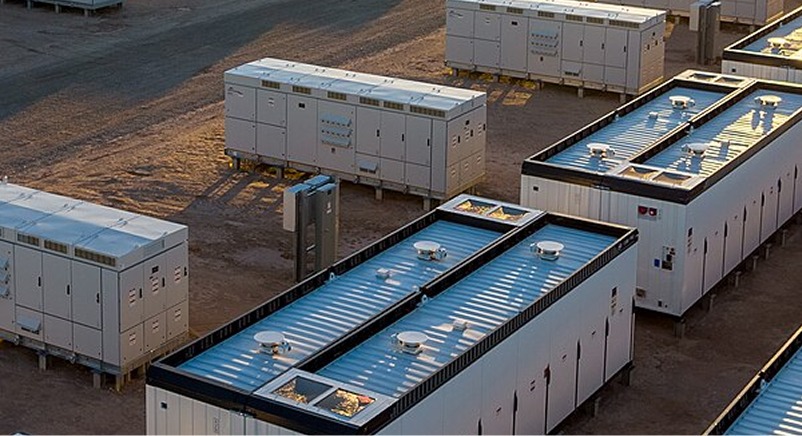
Batteries can provide a reliable source of electricity during grid outages, ensuring power is available for critical facilities like hospitals and data centers, or for homes and businesses.

Batteries can enable commercial and residential users to reduce electricity bills by storing energy during off-peak hours (when prices are lower) and using it during peak demand periods (when prices are higher).
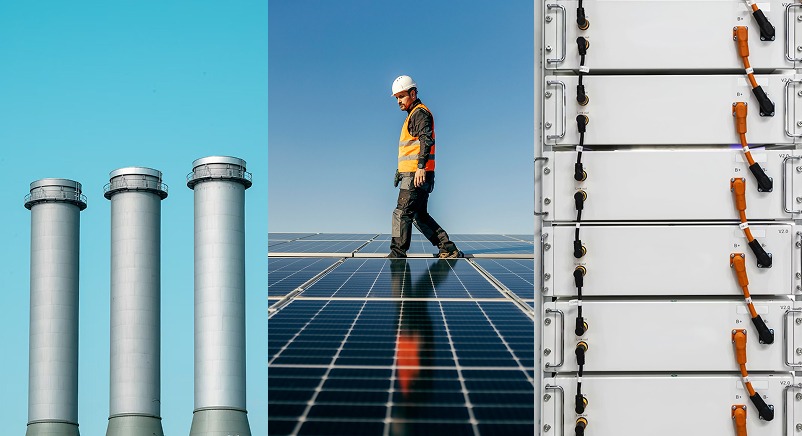
Batteries can store excess energy generated from solar panels and wind turbines when it is abundant and discharge it when the sources are not producing, helping to make renewable energy more reliable and accessible.
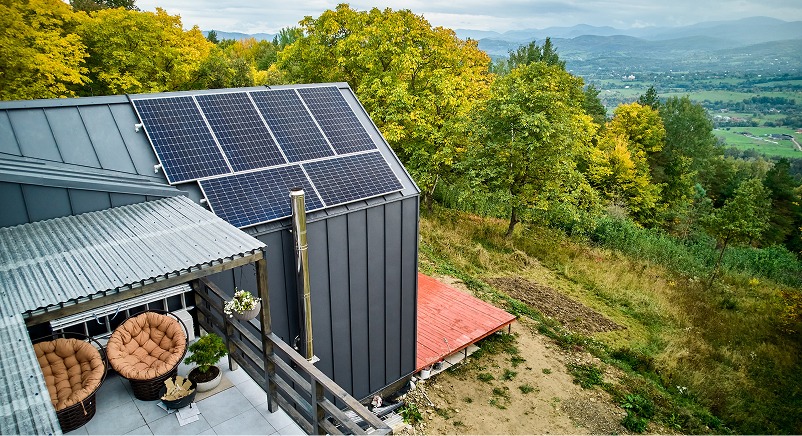
Batteries can provide a reliable and sustainable power source for locations that are not connected to the main electricity grid.

Batteries are used in transportation for vehicles like electric cars, buses, trains, and trucks, powering them as an alternative to combustion engines. They also provide power for auxiliary systems in conventional vehicles, such as starting a car, and for smaller electric devices like bikes, scooters, and wheelchairs.
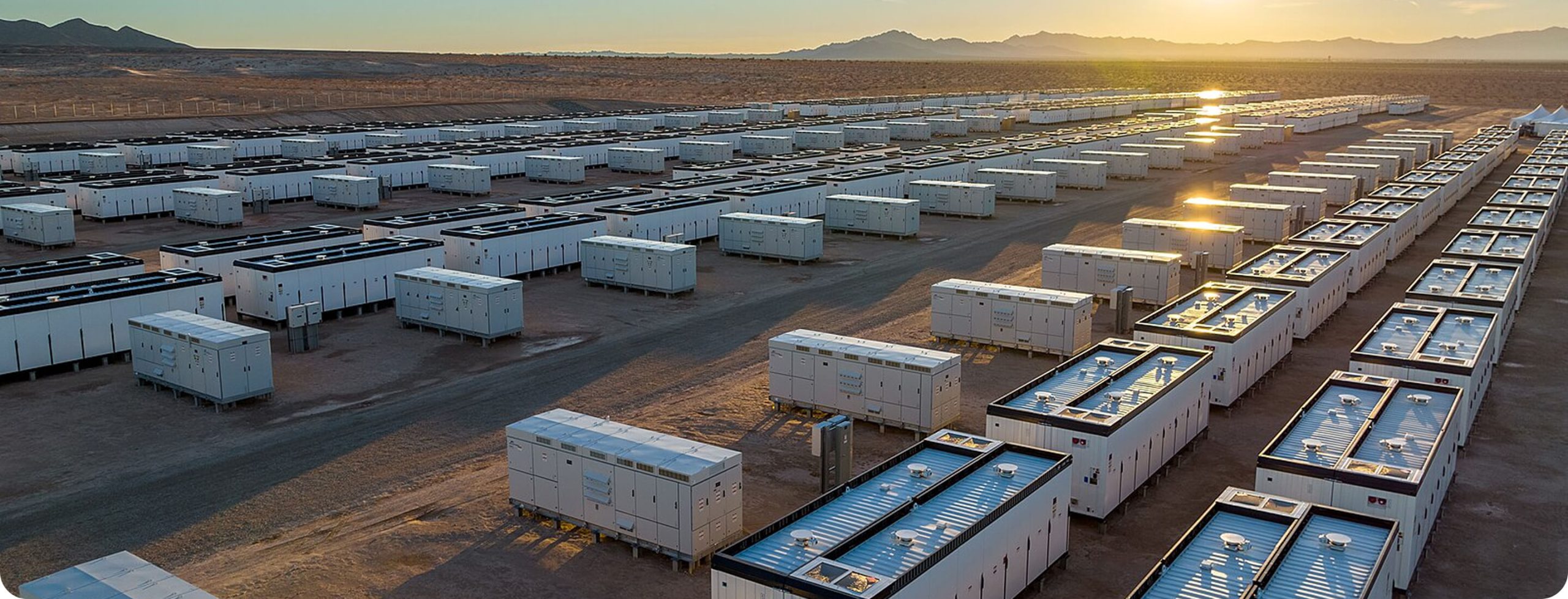
Lithium Iron Phosphate Battery Production
The production of lithium iron phosphate (LFP) cathode active material requires high purity phosphoric acid, iron powder, and lithium carbonate.