Cementitious Materials
Cementitious Materials
Customer Solutions
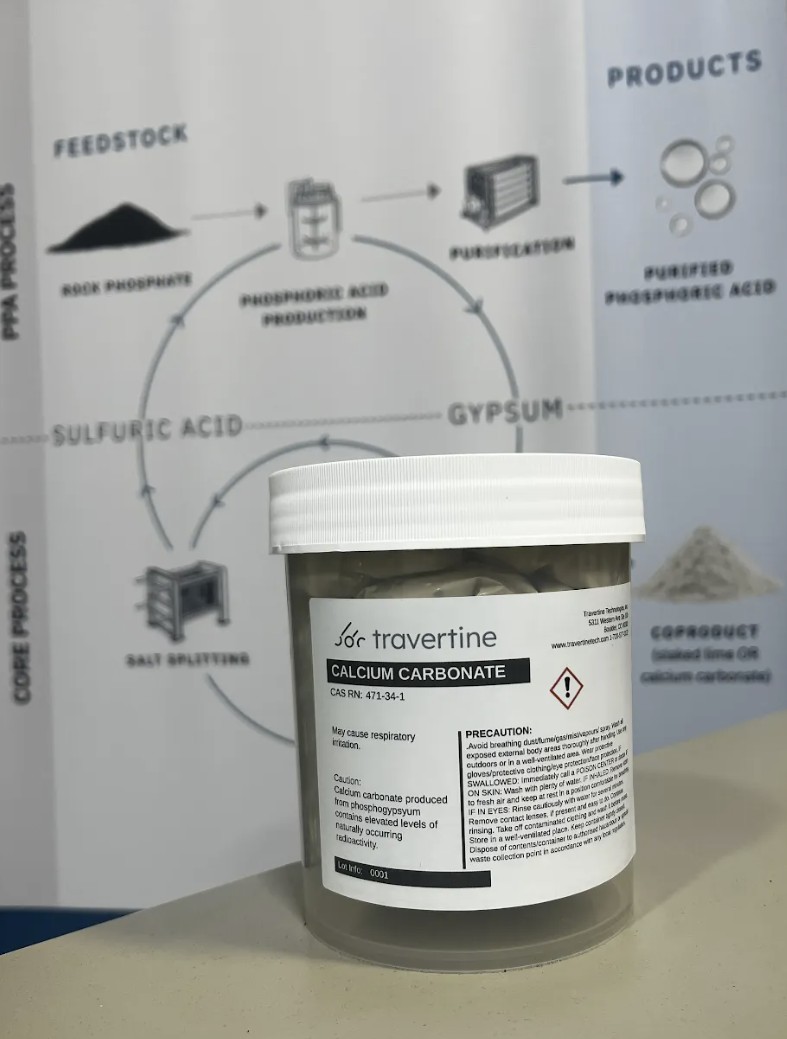
Our process uses DAC, CCS, and/or replacement materials to reduce cement plant carbon emissions. We mineralize CO2 and sequester it permanently in cements.
Travertine Products
Purified Phosphoric Acid

Travertine Products
Sulfuric Acid
Travertine Products
Carbon Dioxide Removal
Travertine Products
Extracting More Value

The most widely used manufactured material in the world
-
Market Value
+$400B
Cement
-
Growth
+25%
cement growth by 2030
-
Volume
+ 4B MT
cement growth by 2030
Benefits
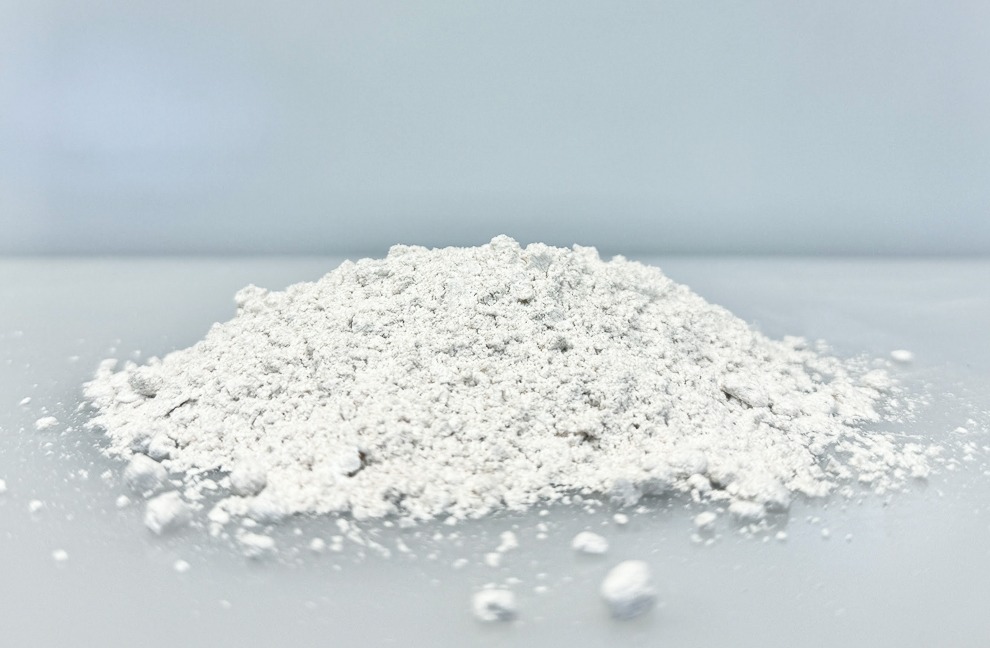
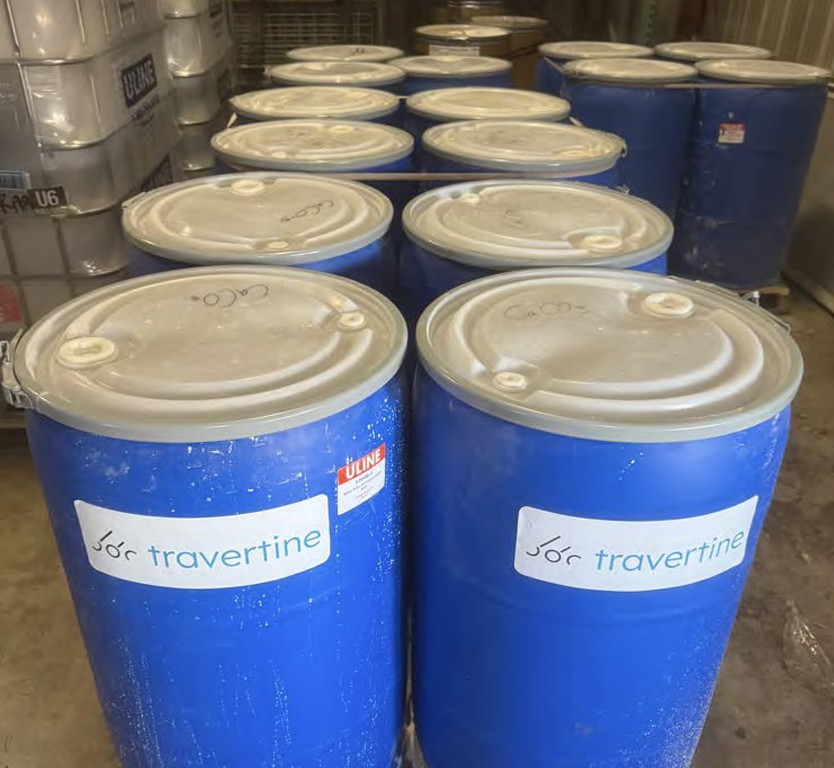
Calcium Carbonate for use in lower carbon Type 1L Portland cements.
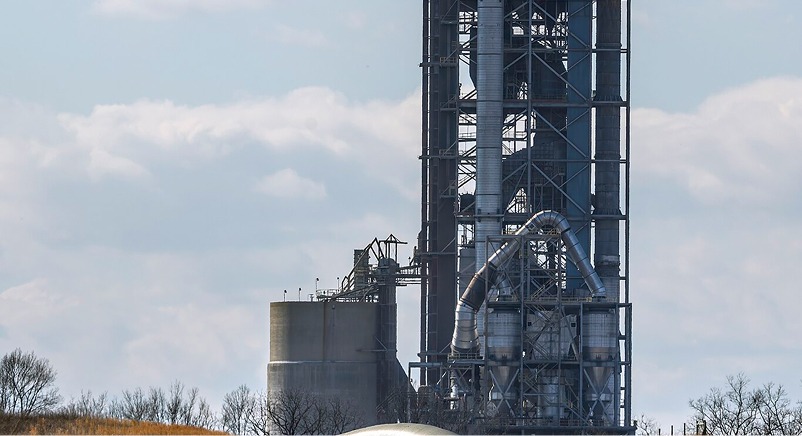
The calcium carbonate is precipitated and does not need to go through energy-intensive grinding. An alternative product, hydrated lime can be used as replacement feedstock to clinker kilns, reducing energy requirements by 60% in cement production.
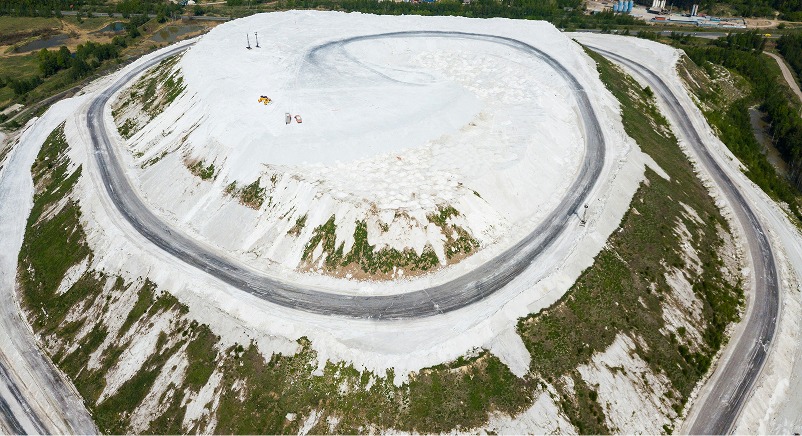
Landfilled waste materials can be up-cycled into useful building materials.
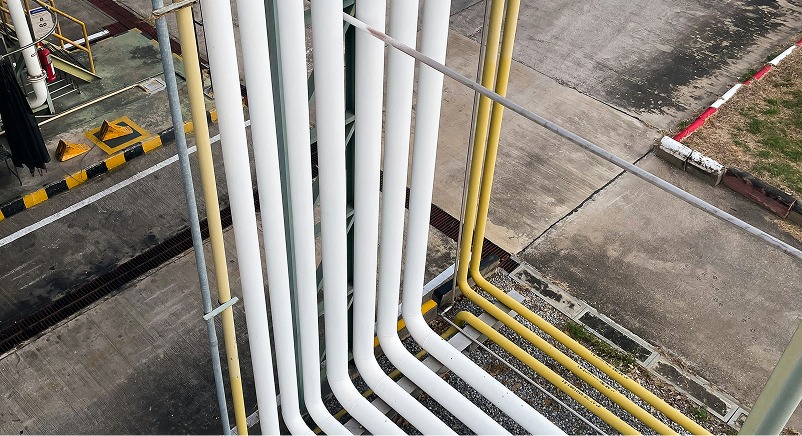
The unique characteristics of the precipitated calcium carbonate allow for use as a supplementary cementitious material in cements and concrete mixes.
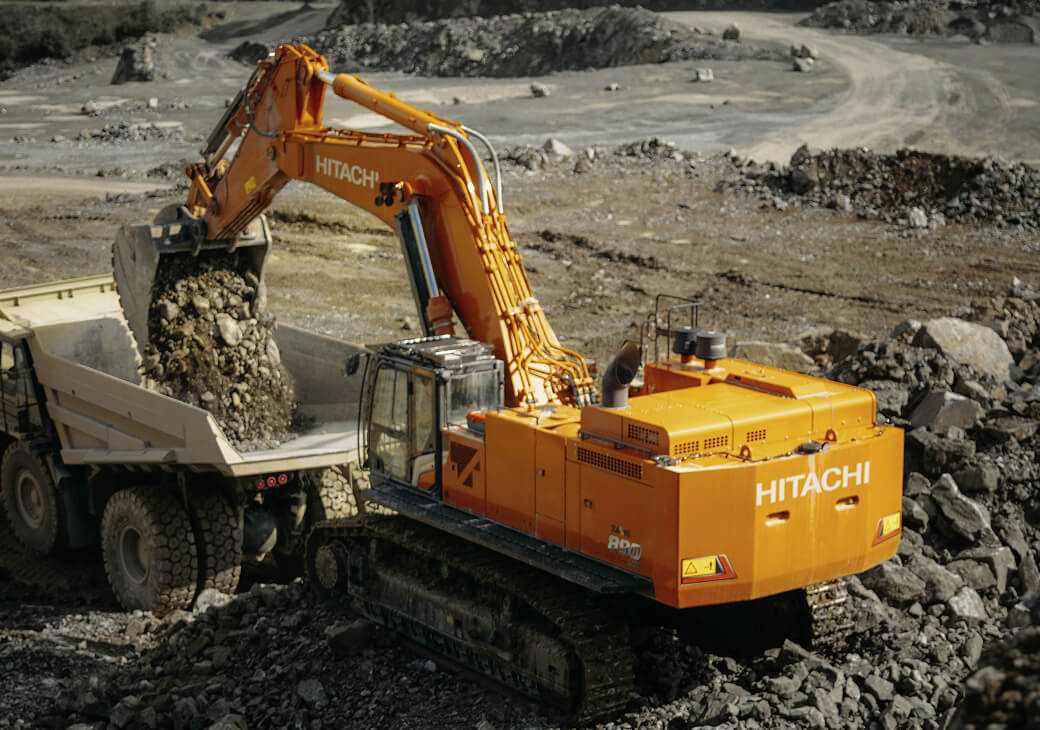
The by-product of the phosphorus industry becomes a feedstock for the cement industry.
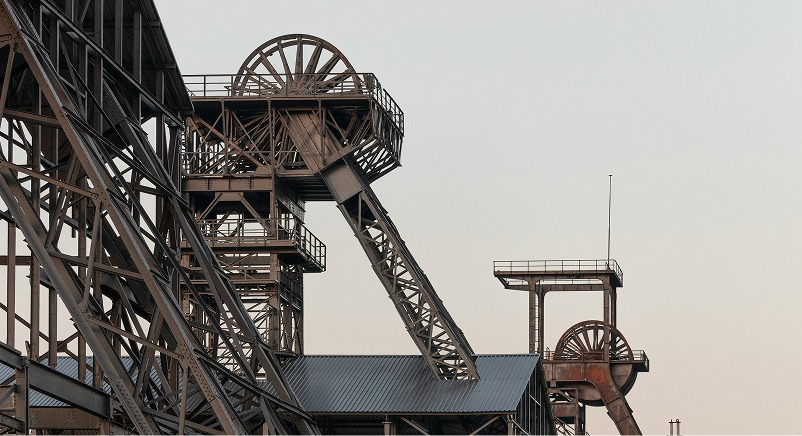
As coal plants shutdown and fly ash supply goes away, new materials and formulations are needed to meet growing cement demand.
Applications
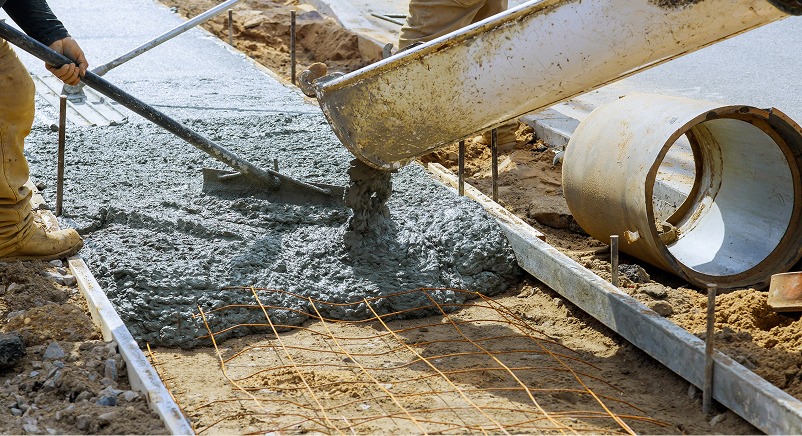
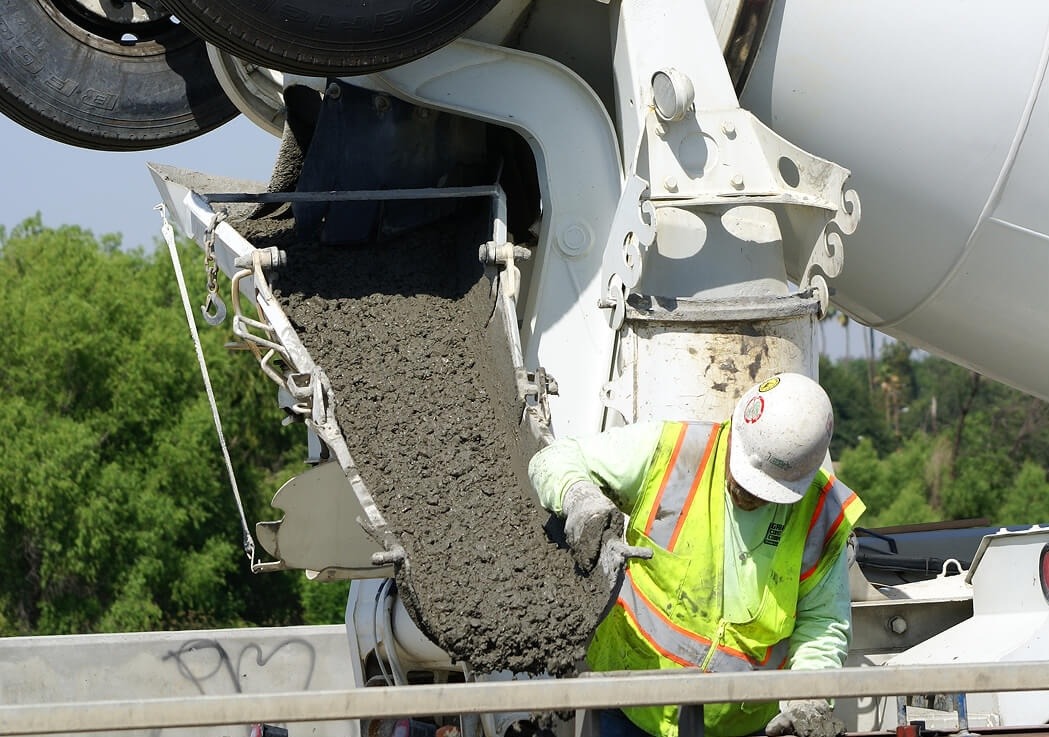
Cementitious Materials are widely used in all building materials, including cement, concrete, and roofing materials.
Application Highlights
-
Cement
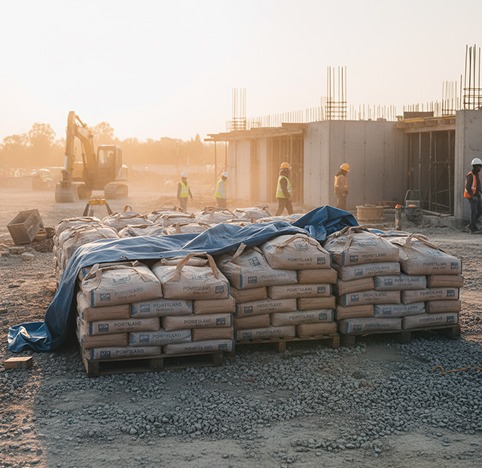
Calcium Carbonate for use in Type 1L portland cements.
-
Concrete
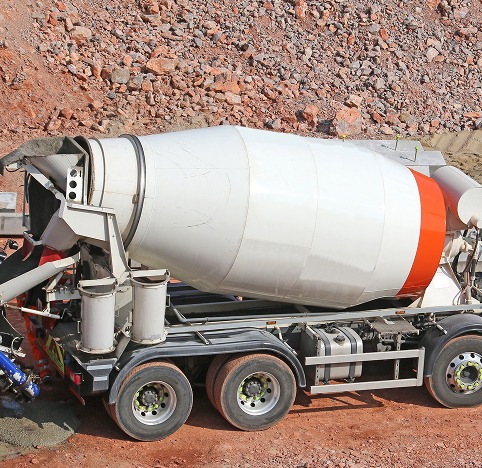
Hydrated lime as replacement feedstock to clinker kilns, reducing energy requirements by 60%.
-
Roofing Materials

Calcium carbonate is a key ingredient in asphalt shingles.
-
Mortar
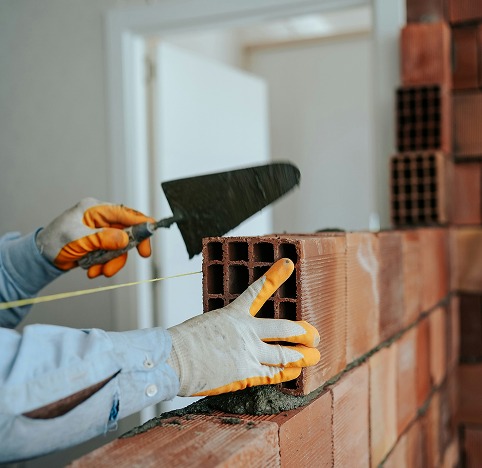
Calcium carbonate acts as a binding agent in mortar, making it stronger and more durable for bonding bricks, blocks, and stones.