Concrete Industry
Concrete
An Essential Resource
Concrete is a cornerstone of global development and urbanization, enabling the construction of basic needs like housing, clean water systems, and transport, which are essential for economic growth. The Travertine Process produces cementitious materials that reduce the carbon intensity of concrete.
Use Cases for Industry
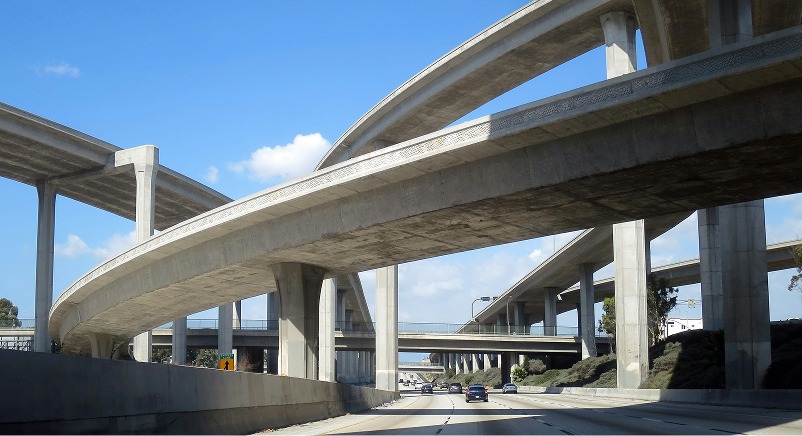
Concrete’s ability to withstand heavy loads and harsh environmental conditions makes it indispensable for public and private infrastructure projects such as roads and pavements, bridges and overpasses, tunnels and railways, and airport runways.
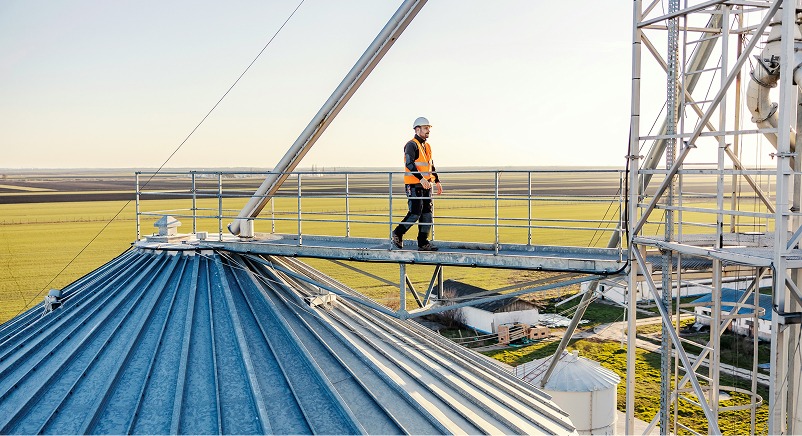
In demanding industrial environments, specialized concrete is used for its resilience to extreme conditions and chemicals as flooring, radiation containment, grain silos and chemicals storage, and building foundations.
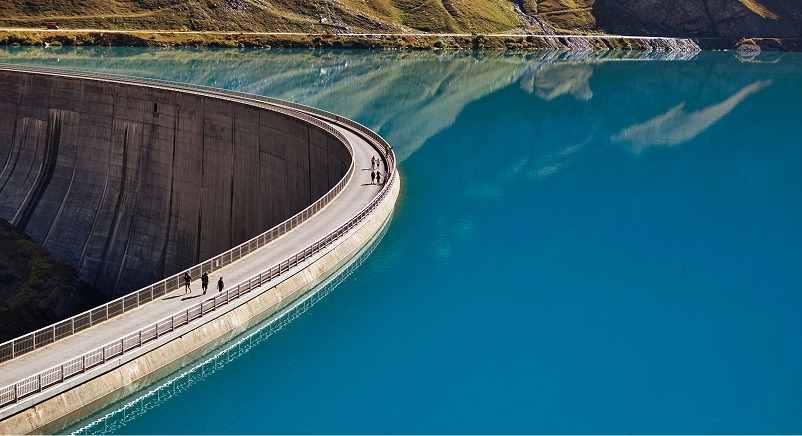
Concrete’s low permeability and water resistance are crucial for hydraulic and marine applications such as dams and reservoirs, piers, docks, and jetties, and pipes and drainage systems.
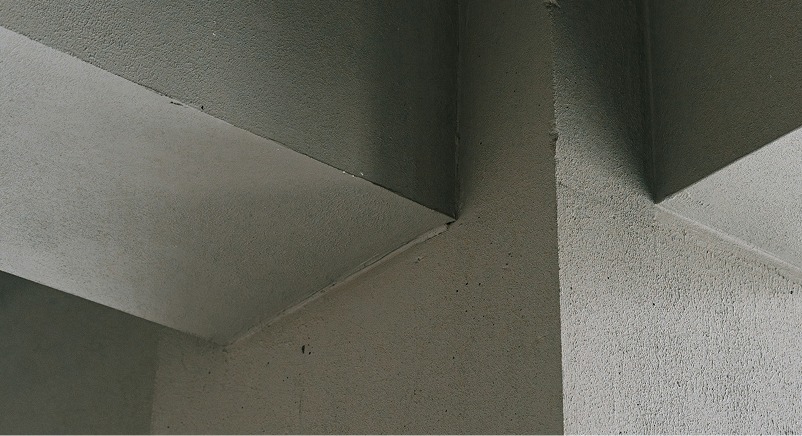
Concrete components are often manufactured off-site in controlled environments for efficiency and quality control. Wall panels, columns, beams, floor slabs, and staircases are mass-produced as precast elements for rapid assembly on-site.
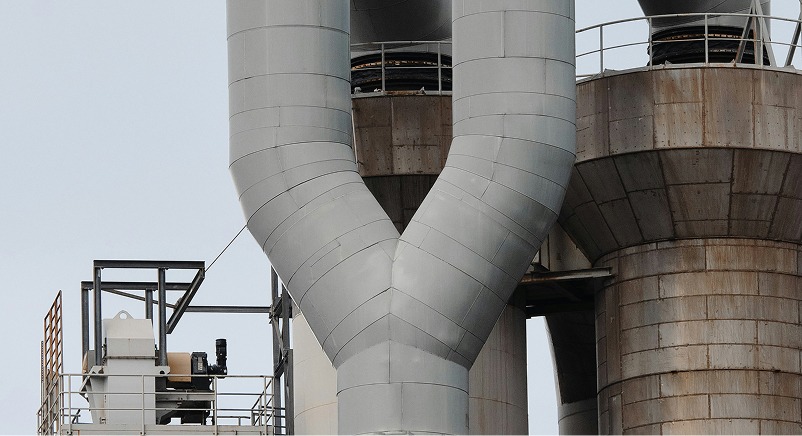
Concrete is used in secondary containment berms/walls, storage tanks and sumps, nuclear waste management, and containment buildings.
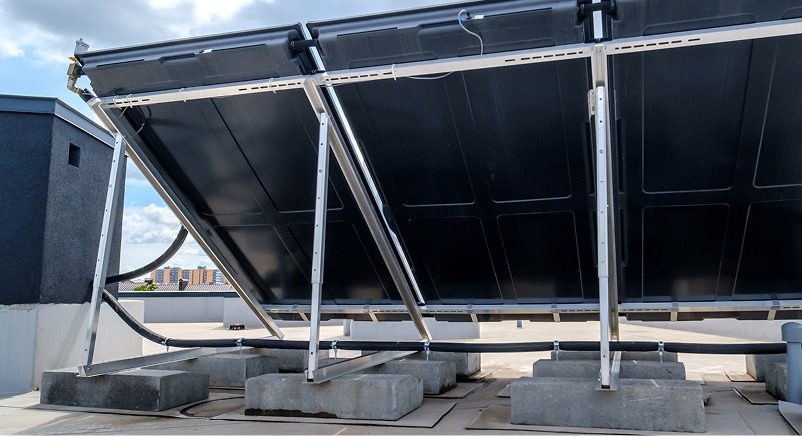
Nearly all power plants (fossil fuel, nuclear, hydro, wind, and solar) utilize massive reinforced concrete foundations to anchor heavy machinery, turbines, and structural components securely to the ground.
Concrete Production
Concrete production contributes about 8% of global carbon emissions, primarily through the manufacturing of cement, which is a key ingredient. Emissions result from two main sources: a chemical reaction during the heating of limestone, which releases CO2, and the combustion of fossil fuels to reach the high temperatures required for the process.
Because cement production is responsible for the vast majority of concrete’s carbon footprint, the amount of CO2 emitted is directly proportional to the cement content in the concrete mix.
Typical concrete mixes are approximately 10–15% cement, 60–75% aggregate, and 15–20% water by volume. Air, often entrained for durability, can make up an additional 5–8% of the volume. The exact percentages depend on the desired strength, workability, and durability of the final product.
Various methods are being explored and used to lower the carbon footprint, including using alternative materials, improving energy efficiency in production, and using innovative technologies like carbon capture and storage.

Cement production
Cement production involves extracting raw materials like limestone and clay, crushing and blending them into a fine powder, heating this mixture in a kiln (calcination) to form clinker, and finally grinding the clinker to create the finished cement powder. The main source of emissions is the calcination step, where calcium carbonate (CaCO3) in limestone is heated, releasing carbon dioxide gas (CO2) to form lime (CaO).